

Most Scottish people don’t sing with a Scottish accent primarily due to the influence of popular music and the standardised accent that dominates the industry. This phenomenon, also known as linguistic accommodation, refers to the unconscious process where singers adjust their accent to match the accents they are frequently exposed to in music.


Considering that the majority of popular music and influential artists are American or English, the accents used by these artists heavily influence the singing accents worldwide, including Scotland. Therefore, the Scottish accent becomes neutralized, resulting in a more ‘Americanized’ or ‘Anglicized’ accent when singing.
What Scottish Accents Tell You About Scotland’s Diversity
Scotland is a small country with an extraordinary range of accents and dialects. A Glaswegian sounds nothing like someone from Aberdeen, who sounds nothing like someone from Orkney. Understanding this diversity enriches every conversation you have.
- Don’t pretend to understand when you don’t — ask people to repeat. Scots are used to visitors finding their accents challenging, especially in Glasgow and the north-east. Asking someone to repeat themselves is polite, not rude. They’ll slow down, and the conversation that follows will be better for both of you.
- The Doric dialect of Aberdeenshire is effectively a separate language. If you visit the north-east and hear “fit like?” (how are you?), “quine” (girl), or “loon” (boy), you’re hearing Doric. It’s not slang — it’s a dialect with its own vocabulary and grammar. Locals are proud of it and enjoy explaining it to visitors.
- Scottish singers often sing in a neutral accent — but not always. The Proclaimers, Paolo Nutini, and Lewis Capaldi all sing with recognisably Scottish accents. It’s a deliberate artistic choice that connects to identity. Listening to Scottish music before your trip tunes your ear and enriches your experience.
- Edinburgh and Glasgow accents carry different cultural signals. Edinburgh’s accent is softer and associated with the professional class. Glasgow’s is stronger, faster, and carries the city’s working-class identity with pride. Both are fascinating, and Scots enjoy discussing the differences — it’s a safe conversation starter.
Want more honest Scotland travel advice? Join 43,000+ readers in our free Scotland newsletter.
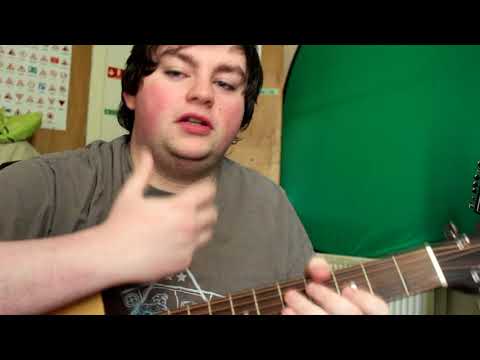
we’re delving into a curious phenomenon that has puzzled many a listener: why do Scottish folks seem to shed their accents the moment they burst into song? Join me on this comedic quest as we unravel the mystery behind the disappearing Scottish accent in music.
Our investigation begins with a candid confession from our intrepid guitar-wielding hero. With a twinkle in his eye and a healthy dose of self-awareness, he reveals the truth: the reason Scottish singers often sound like they hail from Anywhere-but-Scotland when they serenade us is simply because, well, it sounds a wee bit odd.
Now, before you start sharpening your pitchforks and tuning your bagpipes in protest, let’s hear him out. Our brave troubadour hails from a quaint village outside Glasgow, where the local dialect dances with the wind like a kilt in a Highland breeze. And let’s face it, folks – while those lilting brogues may charm us in everyday conversation, they might not quite hit the right note when set to music.
But fear not, dear readers, for our hero is not content to let this linguistic conundrum go unanswered. Armed with nothing but a guitar and a cheeky grin, he embarks on a musical odyssey to demonstrate just what a Scottish-accented rendition of “Wonderwall” might sound like. Spoiler alert: it’s not pretty, but it sure is hilarious.
As our hero strums away, attempting to channel his inner Gallagher brother while keeping his Scottishness intact, we can’t help but chuckle at the delightful absurdity of it all. The juxtaposition of iconic Britpop anthem meets Scottish brogue is a recipe for comedic gold, and our hero serves it up with gusto.
So why, you may ask, do Scottish folks opt for a more neutral tone when they take to the stage? Perhaps it’s a matter of sonic aesthetics, a desire to let the music speak for itself without the distraction of regional accents. Or maybe, just maybe, it’s because belting out “Wonderwall” in full-on Glaswegian would leave us all scratching our heads in confusion.
In the end, dear readers, the mystery remains unsolved – but the laughter rings loud and clear. So here’s to our Scottish brethren, who may sing with the voice of angels but choose to leave their accents at the door when they step into the spotlight. And here’s to our intrepid troubadour, whose musical musings have left us smiling and tapping our toes.
Until next time, keep singing, keep strumming, and never underestimate the power of a good laugh – even if it comes with a hint of mystery and a dash of Scottish flair. Cheers!
Scottish accent vs Irish accent (Funny)


Scottish Air Traffic Controller Attempts to Guide a Plane to Safety


Funny Scottish girl arguing with her uncle
Ready to plan your Scotland trip?
Start with our Planning Hub — itineraries, budgets, accommodation, and everything you need. Subscribe for weekly Scotland travel guides delivered free.

Do Highland cows make good pets?


Do Highland Cows make good pets?
Gerard Butler Teaches You Scottish Slang


Need more inspiration?
43,000 Scotland lovers can’t be wrong.
Every week, our free newsletter delivers hidden Highland gems, seasonal travel guides, local stories, and practical tips — straight to your inbox. Join the community that loves Scotland as much as you do.
FREE GUIDE: 25 Hidden Gems of Scotland (PDF)
Enter your email and we will send it straight to your inbox.
Download our free Scotland Travel Guide (PDF)
Love Scotland?
Get the best of Scotland delivered to your inbox every week — free.
Join 43,000+ readers. No spam, unsubscribe anytime.
A Traveller’s Perspective
The question of why Scots do not sing with a Scottish accent is a genuinely interesting one. The short answer is that popular music established a sort of neutral singing accent — heavily influenced by American English — and most singers worldwide unconsciously adopt it. But listen to Scottish folk singers, or to modern artists like Lewis Capaldi who let the accent come through, and you hear something distinctive and powerful. The Scottish voice in song has a warmth and weight that the neutral accent lacks.
If you want to hear Scottish music with the accent intact, seek out folk sessions in Edinburgh’s Sandy Bell’s pub or Glasgow’s Ben Nevis bar. The Celtic Connections festival in Glasgow every January is the biggest celebration of Celtic music in the world. For something more contemporary, Capaldi, Biffy Clyro, and Chvrches all carry varying degrees of Scottish sound. The Edinburgh Folk Festival in April is smaller but excellent. Live music is everywhere in Scotland — check local listings wherever you are staying.
Sitting in a pub in Edinburgh listening to a folk singer perform an old Scottish ballad in a voice thick with Edinburgh vowels, the hair on your arms stands up. The accent shapes the song in ways that a neutral voice cannot. The words are rounder, heavier, more grounded. When the singer hits a high note, there is a catch in the voice that sounds like the wind on a hillside. The pub is quiet. Pint glasses sit untouched. For three minutes, nobody moves. That is what Scottish music sounds like when it stops pretending to be anything else.
🏴️ You Might Also Love